

technology infrastructure
Web Development
Fast, maintainable marketing websites built on modern architecture, migrated cleanly off heavy CMS setups and measured on Core Web Vitals.
01 / Friction
The problem this solves
A slow, plugin-heavy or hard-to-maintain website that loses rankings, conversions and editor patience.
Typical warning signs
- Core Web Vitals fail on mobile and rankings drift down quarter after quarter.
- Publishing a page requires a developer or fighting a page builder.
- The site depends on a stack of plugins nobody dares to update.
- Forms, analytics and CRM were bolted on and break silently.
- Redesigns keep being postponed because migration feels too risky.
02 / Change
Outcomes it is designed to create
- A measurably faster site, with Core Web Vitals in the green on real devices.
- Clean information architecture that supports SEO instead of fighting it.
- Content editable by the team through a structured CMS.
- Analytics, forms and CRM integrated properly rather than patched.
Websites as growth infrastructure, not brochures
A marketing website has one job: turn attention into qualified conversations, repeatably and measurably. That requires speed, clear structure, working analytics and a CMS the team will actually use. Most sites fail at least two of those.
I build static-first websites on modern tooling, and I migrate teams off heavy WordPress and page-builder setups without losing their content, URLs or rankings. This site is built exactly the way I build client sites: static HTML from a content model, React only where interaction demands it, measured against Core Web Vitals budgets.
What the engagement covers
Technical architecture. The foundations, decided by requirements and team capability, not fashion.
- Platform and hosting chosen for how your team actually works.
- Content modelling so editors get structure, not a blank page.
- Integration design planned up front, not bolted on later.
Development. A design system and componentised templates, built to last.
- Astro and React, or clean WordPress where that is the right call.
- TypeScript, accessibility and performance budgets as defaults, not add-ons.
- Reusable components, so future pages are assembled, not rebuilt.
Migration. Moving without losing content, URLs or rankings.
- Content extraction and asset optimisation.
- URL mapping and permanent redirects.
- The old site keeps running until the new one is verified.
Conversion optimisation. Pages built around a buyer decision.
- Structured as problem, proof, offer, action.
- Forms designed to qualify, not just collect.
- Every template has one clear next step.
Core Web Vitals. Performance treated as a product requirement.
- LCP, INP and CLS measured against explicit budgets.
- Automated checks in the build catch regressions.
- Because speed is a ranking and conversion input, not a nice-to-have.
Integrations. Connected through documented APIs, not a pile of plugins.
- CRM, analytics, consent, email and automation wired in deliberately.
- Each integration documented and owned.
- Fewer moving parts, fewer things to break.
Maintenance. A lightweight ongoing arrangement, sized to what the site needs.
- Updates and monitoring without a heavy retainer.
- Iterative improvement driven by real data.
- Scoped to the site, not padded.
Deliverables
What you receive, concretely.
- Technical architecture and platform recommendation
- Design system and component library
- Astro or React front end development
- WordPress and CMS migration with URL and SEO preservation
- Conversion-focused page templates
- Core Web Vitals optimisation
- API integrations with CRM and marketing tools
- Analytics and consent implementation
- Accessibility to WCAG 2.2 AA
- Maintenance and improvement plan
How the engagement runs
Audit
Content, URLs, analytics, rankings and performance baseline before anything is touched.
Architect
Information architecture, content model, redirect map and technical stack decisions.
Build
Design system, templates and integrations, developed with performance budgets from day one.
Migrate and launch
Content migration, redirects, tracking verification and a monitored launch.
Technology used
- Astro
- React
- TypeScript
- WordPress
- Tailwind CSS
- Cloudflare
Relevant work
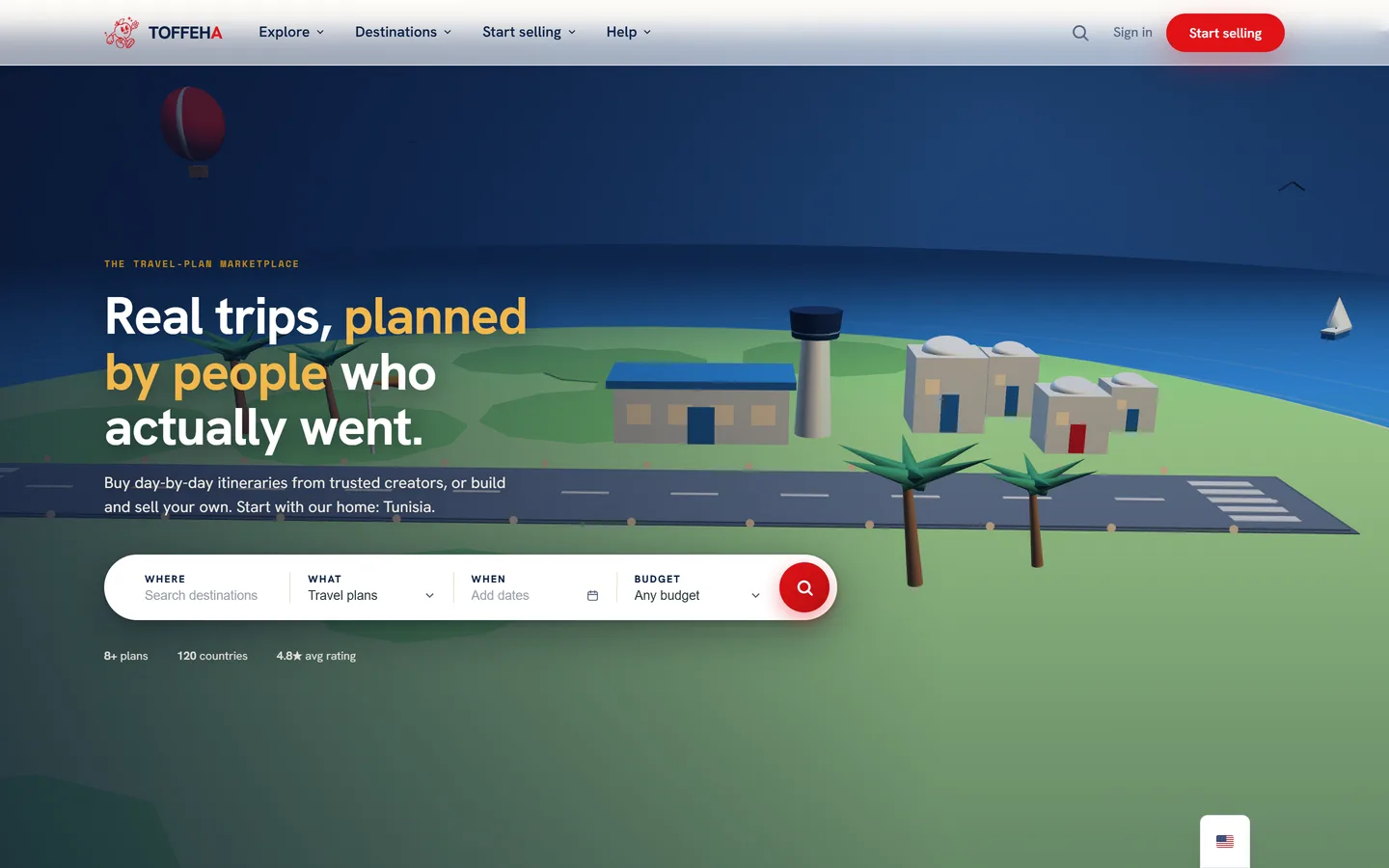 Website and SEO
Travel platform (Toffeha) / Travel
Website revamp and programmatic SEO
A full website rebuild with a programmatic SEO architecture that multiplied organic entry points while keeping page quality and Core Web Vitals under control.
organic traffic growth after the programmatic architecture launched
- WordPress
- PHP
- Google Search Console
- Semrush
 CRM and website
Z Nation Transport LLC / Logistics
HubSpot CRM implementation for a logistics company
A ground-up HubSpot implementation and Drupal website for a US logistics company, automating lead management across a database that grew past 42,000 contacts.
contacts managed and automated in the HubSpot implementation
- HubSpot
- Drupal
- Zapier
- Google Ads
Relevant articles
web development
Core Web Vitals explained: why performance is your best marketing strategy
What LCP, INP and CLS actually measure, how they influence rankings and conversions, and the practical fixes that move each metric.
Read insightweb development
How to secure a WordPress website
A multi-layered approach to WordPress security, from .htaccess security headers to firewall plugins, structure obfuscation and operational best practice.
Read insightweb development
WordPress vs Drupal: choosing the right CMS for growth
A practical comparison of WordPress and Drupal for teams choosing a CMS that must scale in traffic, content, users and integrations.
Read insightFrequently asked questions
Do you only build with Astro?
No. I recommend the lightest stack that fits the team. Astro static builds suit most marketing sites, but I also build and rescue WordPress sites, and I have delivered on Drupal, Webflow and Prestashop where those fit better.
Will we lose rankings when we migrate?
Migration includes a full URL inventory, one-to-one permanent redirects, metadata preservation and post-launch crawl monitoring. Rankings are protected by process, not luck.
Can our team edit the site without a developer?
Yes. Content lives in a structured CMS with editable collections for pages, services, articles and settings. Editors change content; the design system keeps it consistent.
Related services
Most engagements combine two or three of these. The project brief helps you choose.
SEO and content
A content architecture and editorial workflow that grows qualified organic traffic quarter after quarter.
Technical SEO, topic architecture and editorial systems that compound. Programmatic and AI-assisted approaches only where they genuinely fit.
- Semrush
- Google Search Console
- Screaming Frog
- n8n
Tracking and analytics
Trustworthy measurement from first click to revenue, visible in dashboards the team actually uses.
Conversion tracking, GA4, Tag Manager and dashboards implemented properly, so every marketing decision is made on data you can trust.
- Google Tag Manager
- GA4
- Looker Studio
- Microsoft Clarity
CRM implementation
A CRM the team actually uses, with clean data, clear lifecycle stages and reporting leadership believes.
HubSpot and CRM implementations designed around your sales process, adopted by your team, and connected to marketing and reporting from day one.
- HubSpot
- Salesforce
- Brevo
- Zoho
Next move
Ready to fix web development?
Describe your situation in the project brief and get an honest assessment of what I would build and why.